
The Armenian alphabet was apparently invented in AD 405 by Mesrop Mashtots and Isaac of Armenia for the purpose of having a written language into which to translate Scripture. The translation was apparently initially made from Syriac and then subsequently retranslated Greek. (The Heritage of Armenian Literature) (further thoughts on the Armenian version here)
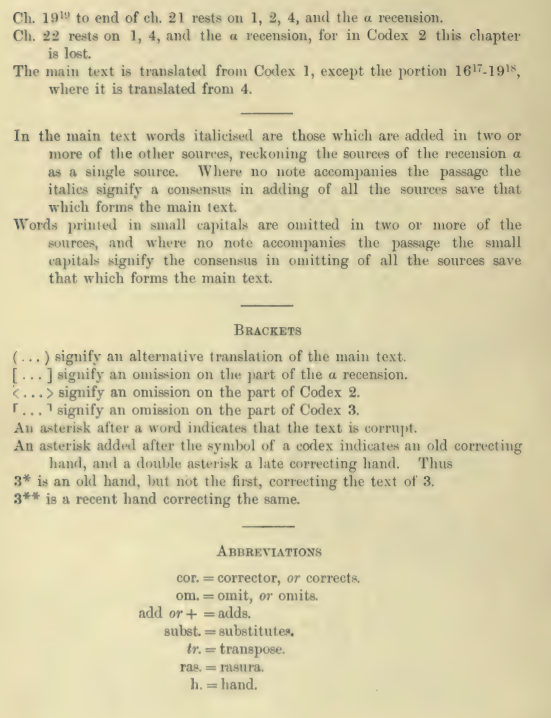
In 1907, the Text and Translation Society published Frederick Cornwallis Conybeare's critical edition of the Armenian translated into English. Below, I've transcribed the text he offers (as well as his marginal readings), followed by images of the transcribed text and images of the explanation of the apparatus.
For us, Conybeare's work is useful, even despite
5 And I heard from the angel of the waters that he said, Righteous is he which exists and holy. For thus he hath judged.
5 of the waters] 2 4——that he] who a——Righteous art thou, the existent, thy existent, thou holy, for this hast thou judged 4——exists and which is, holy 2: exists and is and holy 3 (holy over a rasura of alone): exists and is and holy in his works a.
5 Եւ լուայ ի հրեշտակէն զի ասէր, արդար է որ էնն և սբ. զի այն. պէս դատեցաւ։
Proposed
- Եւ (yev) – "And"
- լուայ (luay) – "I heard"
- ի հրեշտակէն (i hreshdaken) – "from the angel"
- զի (zi) – "that" (introducing indirect speech)
- ասէր (aser) – "he said" (imperfect)
- արդար է (ardar e) – "righteous is"
- որ (vor) – "who"
- էնն (enn) – "is" (a form of "to be")
- և (yev) – "and"
- սբ. (sb.) – "holy" (abbreviation for "սուրբ")
- զի (zi) – "because"
- այն. (ayn.) – "thus" (possibly an abbreviation for "այնպէս")
- պէս դատեցաւ (pes datets’av) – "thus was judged" (passive form of "judge")



No comments:
Post a Comment
Comment Guidelines:
1. Thanks for posting a comment. Without you, this blog would not be interactive.
2. Please be polite. That doesn't mean you have to use kid gloves, but please try not to flame others, even if they are heretics, infidels, or worse.
3. If you insult me, I'm more likely to delete your comment than if you butter me up. After all, I'm human. I prefer praise to insults. If you prefer insults, there's something wrong with you.
4. Please be concise. The comment box is not your blog. Your blog is your blog. If you have a really long comment, post it on your blog and post a short summary of it here.
5. Please don't just spam. It's one thing to be concise, it's another thing to simply use the comment box to advertise.
6. Please note, by commenting here, you are relinquishing your (C) in your comments to me.
7. Remember that you will give an account on judgment day for your words, including those typed in comment boxes. Try to write so you will not be ashamed if it is read back before the entire world.
8. Stay on topic. If your comment has nothing to do with the post, email it to me (my email can be obtained through my blogger profile), or simply don't post it.
9. Don't post as "Anonymous." If you are going to post anonymously, at least use some kind of recognizable "handle," so we can tell you apart from all the other anonymous folks. (This is moot at the moment, since recent abuse has forced me to turn off "anonymous" commenting.)
10. Do unto others as you would have them do unto you; and abstain from doing to others what you would not wish upon yourself.